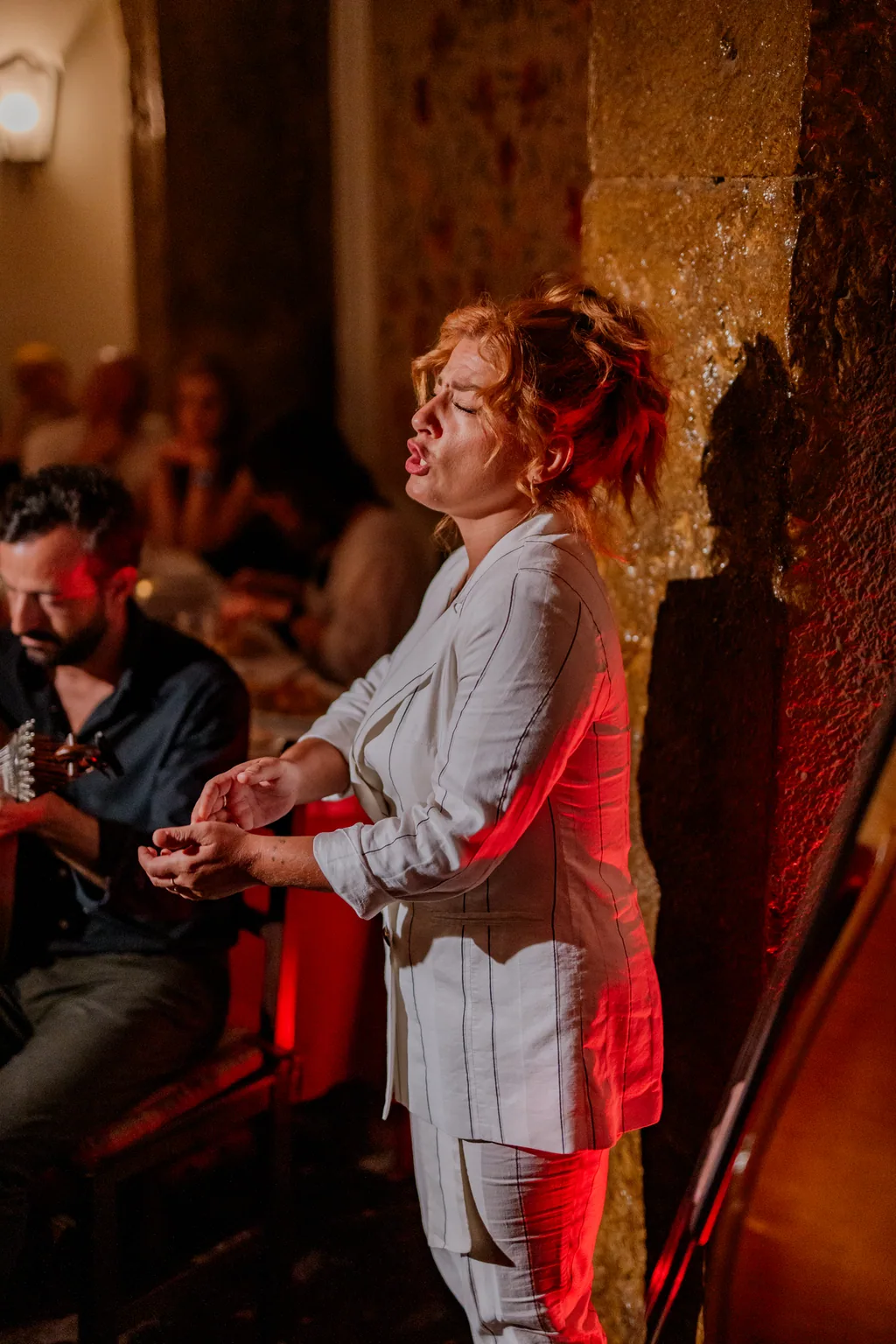
Every night, live fado
Fado
What fado is
Fado is song. It is sung over verses that speak of longing, loss, love, the sea, Lisbon — poems in their own metre, written to be sung this way and no other. It was born next door: Alfama is one of the neighbourhoods where fado took shape, in the nineteenth century, among taverns and narrow streets.
In 2011, UNESCO listed it as Intangible Cultural Heritage of Humanity. But inside a fado house, between the courses of the evening, you don’t hear it as a category — you hear it as it is: voice, Portuguese guitar, viola de fado, silence all around.
How it is sung at the Clube
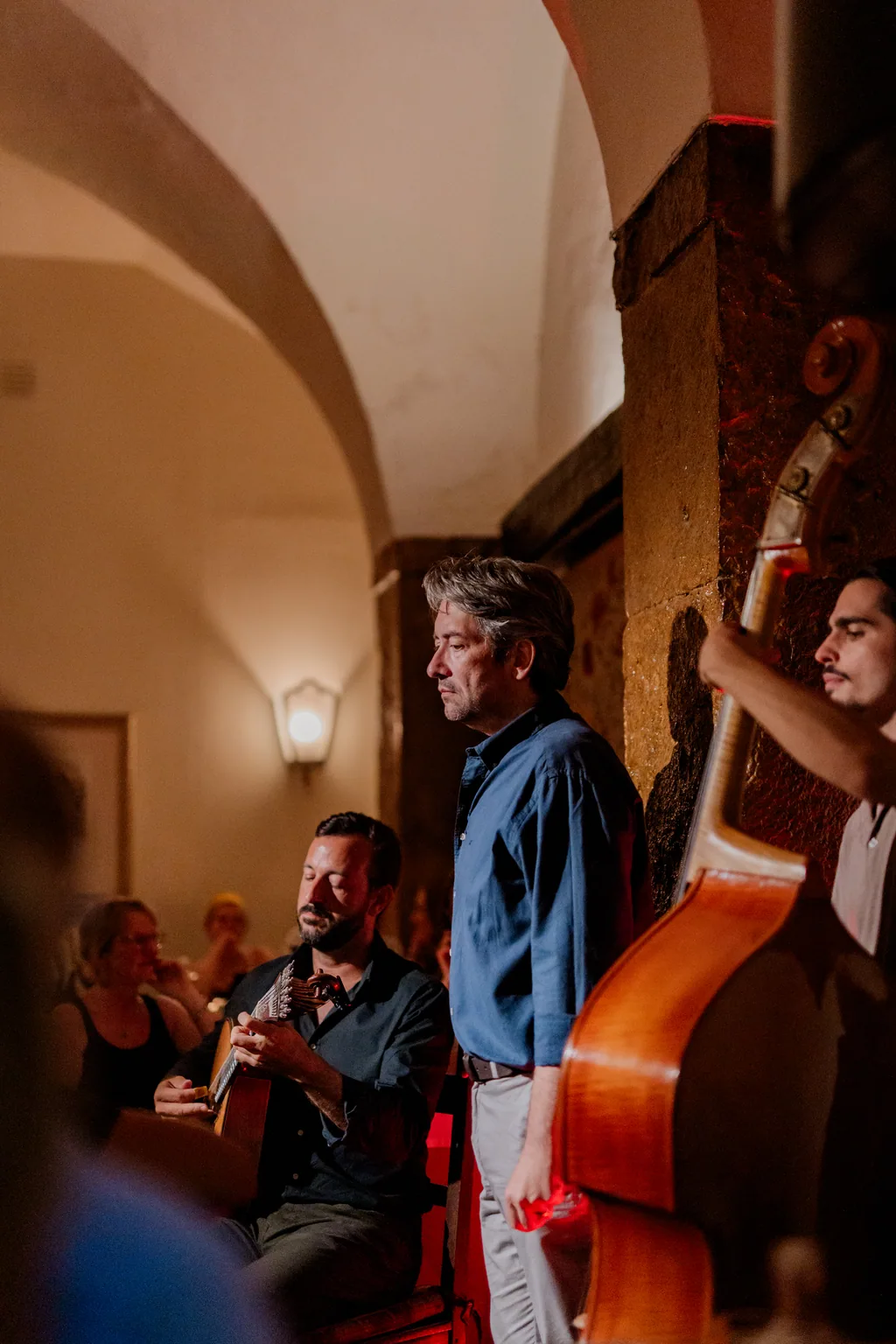
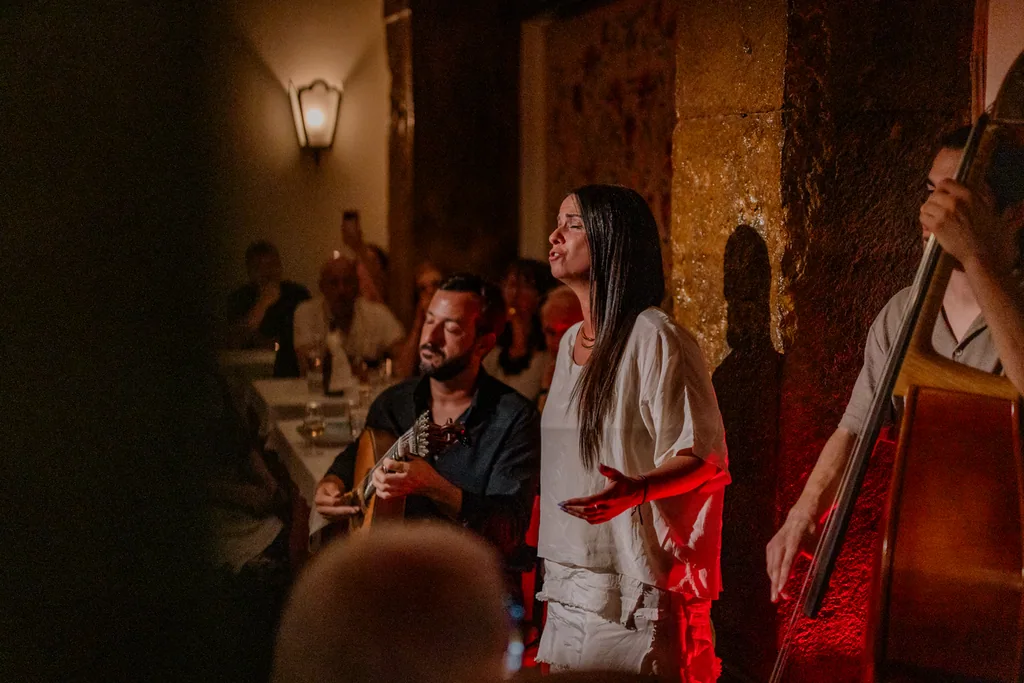
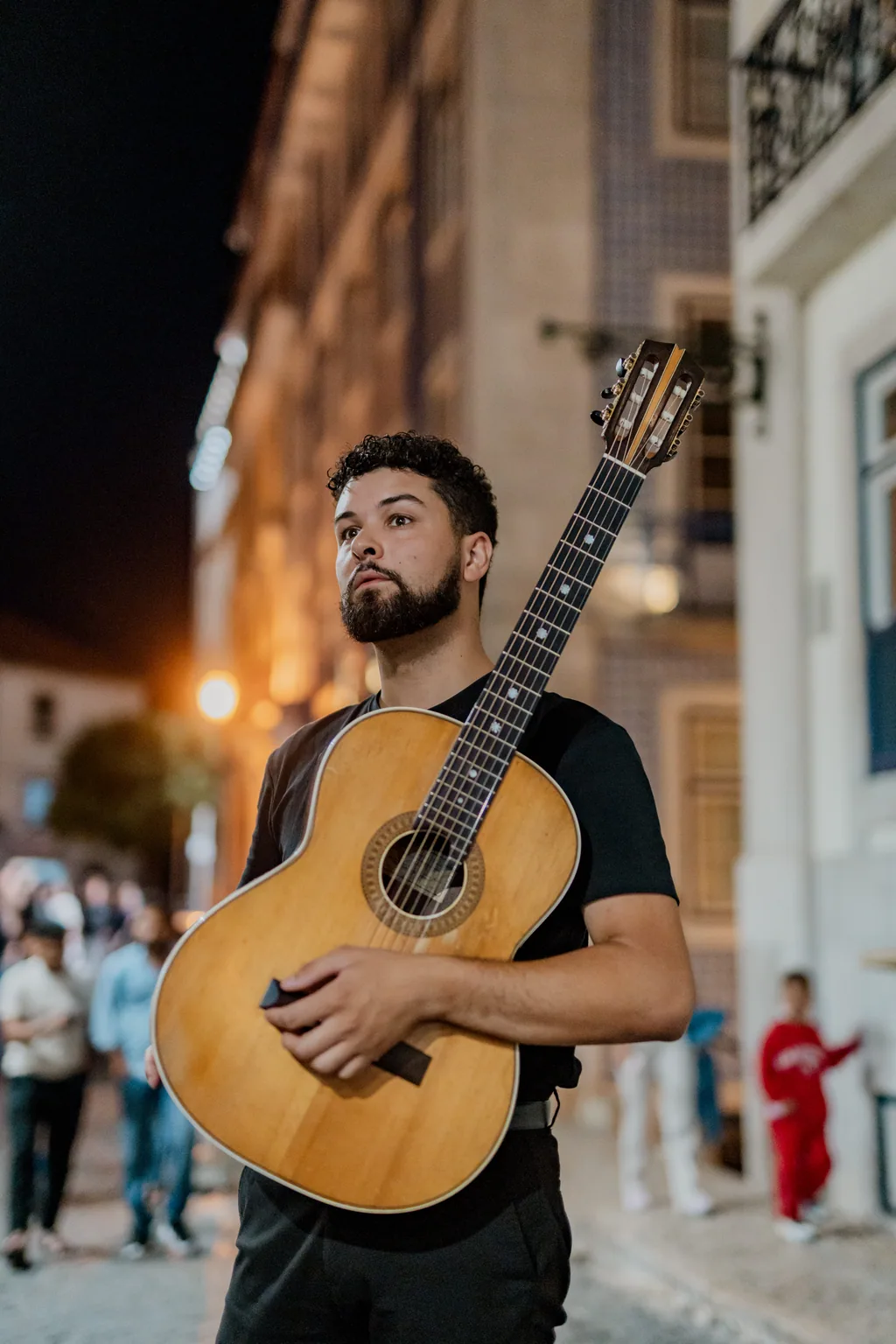
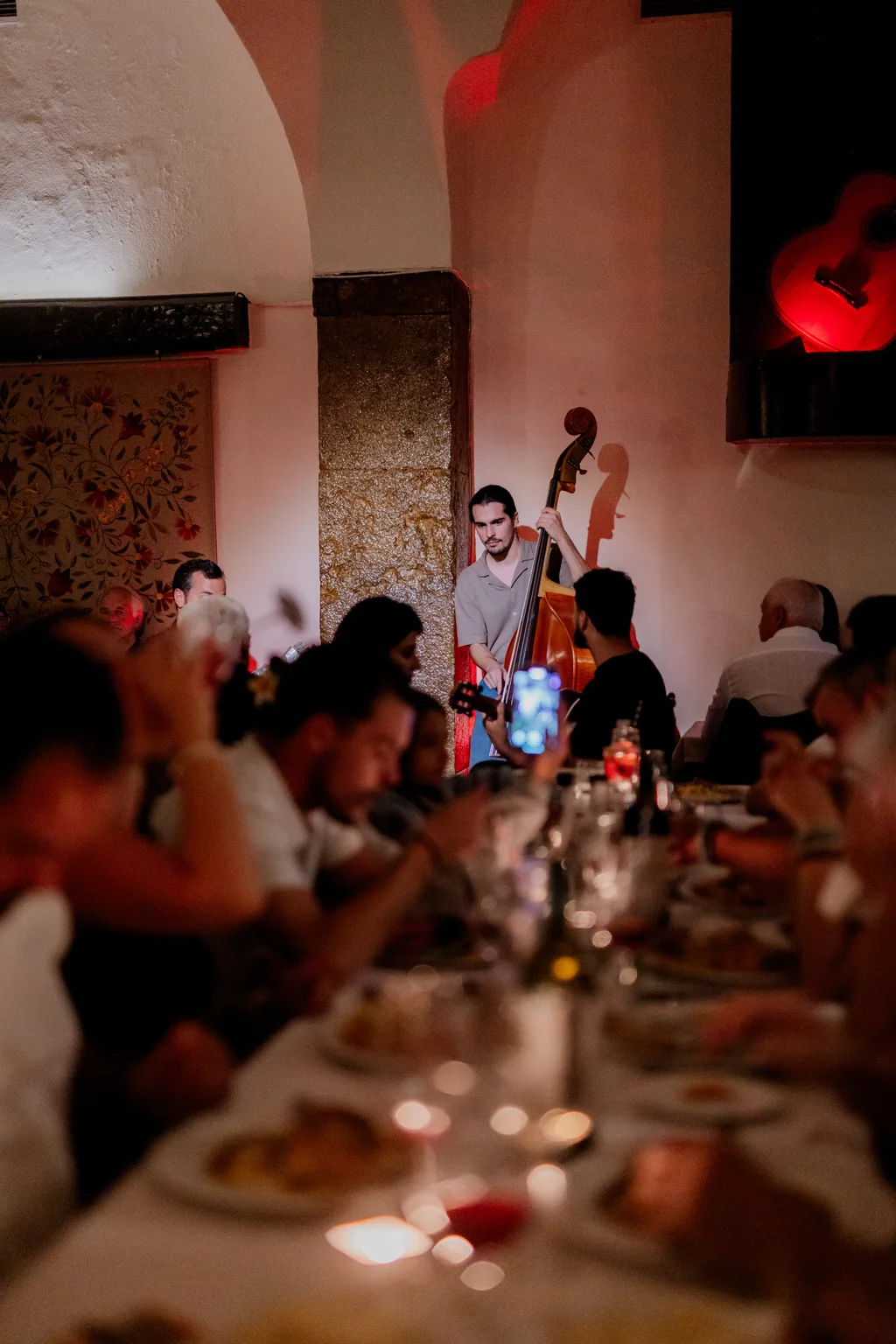
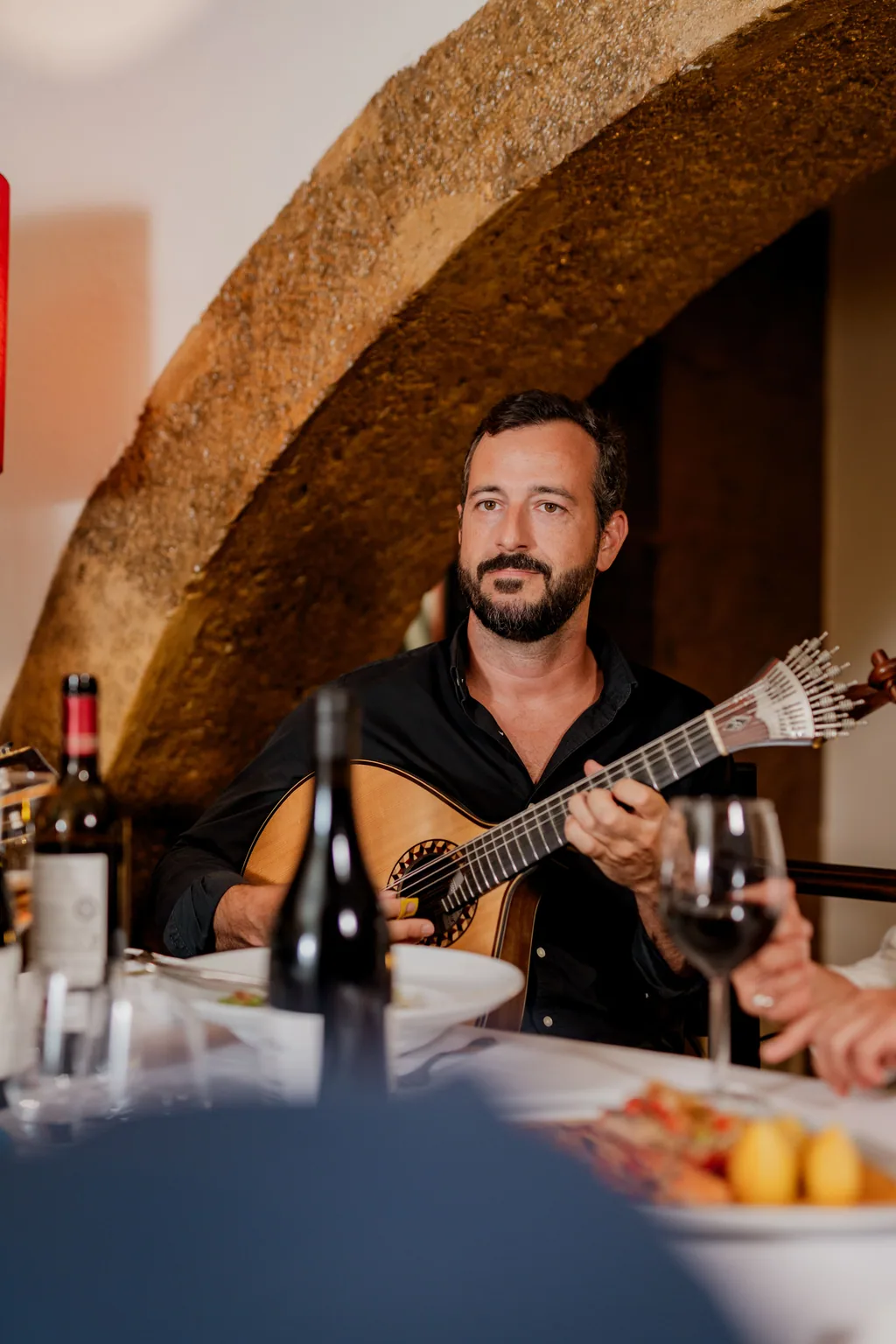
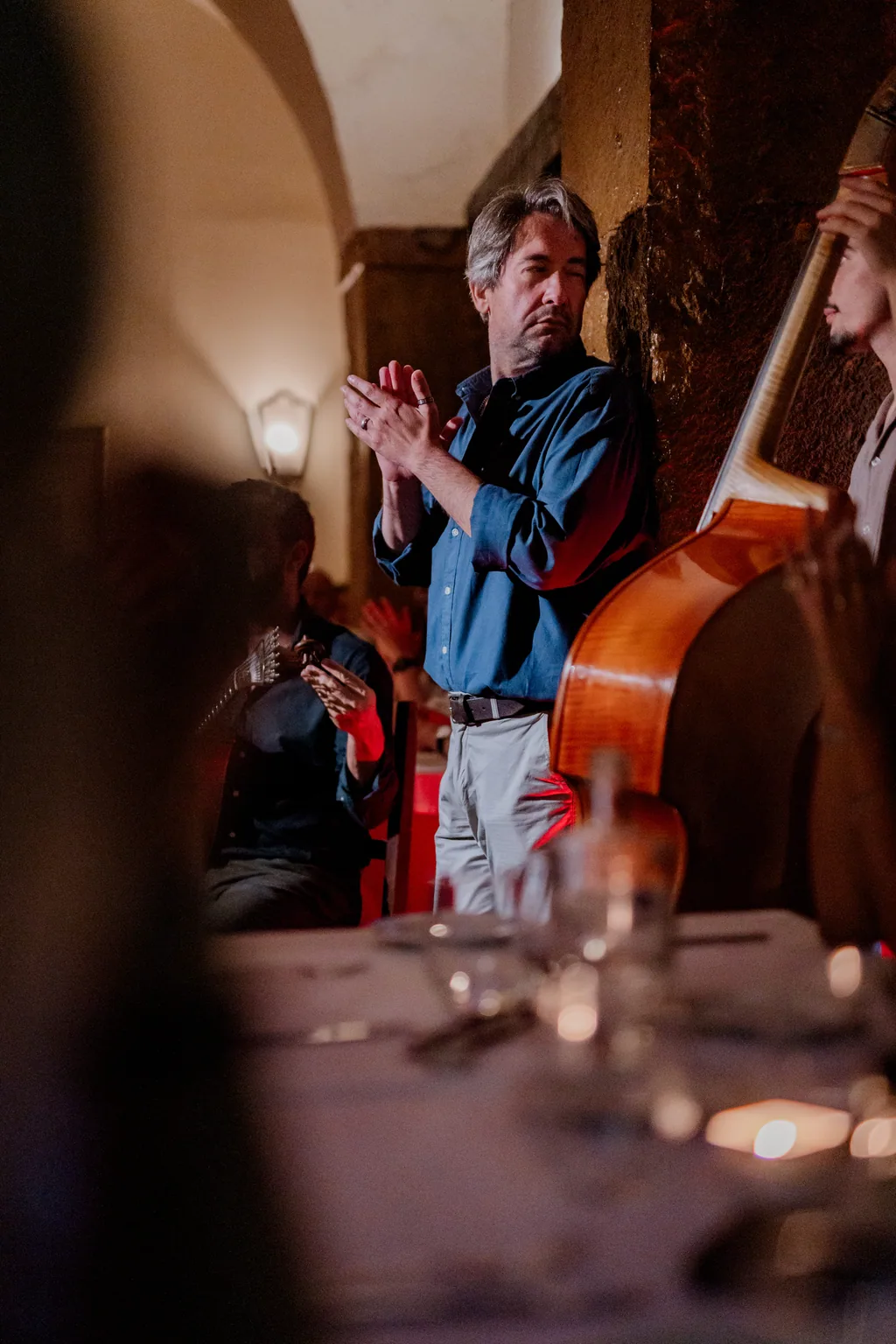
This house was founded by a guitarist, and you can hear it: the standard set on that stage is that of someone who spent a lifetime accompanying the greatest voices in the genre. The sets are sung right by the tables, between the stone arches, the Portuguese guitar carrying the melody and the whole room listening.
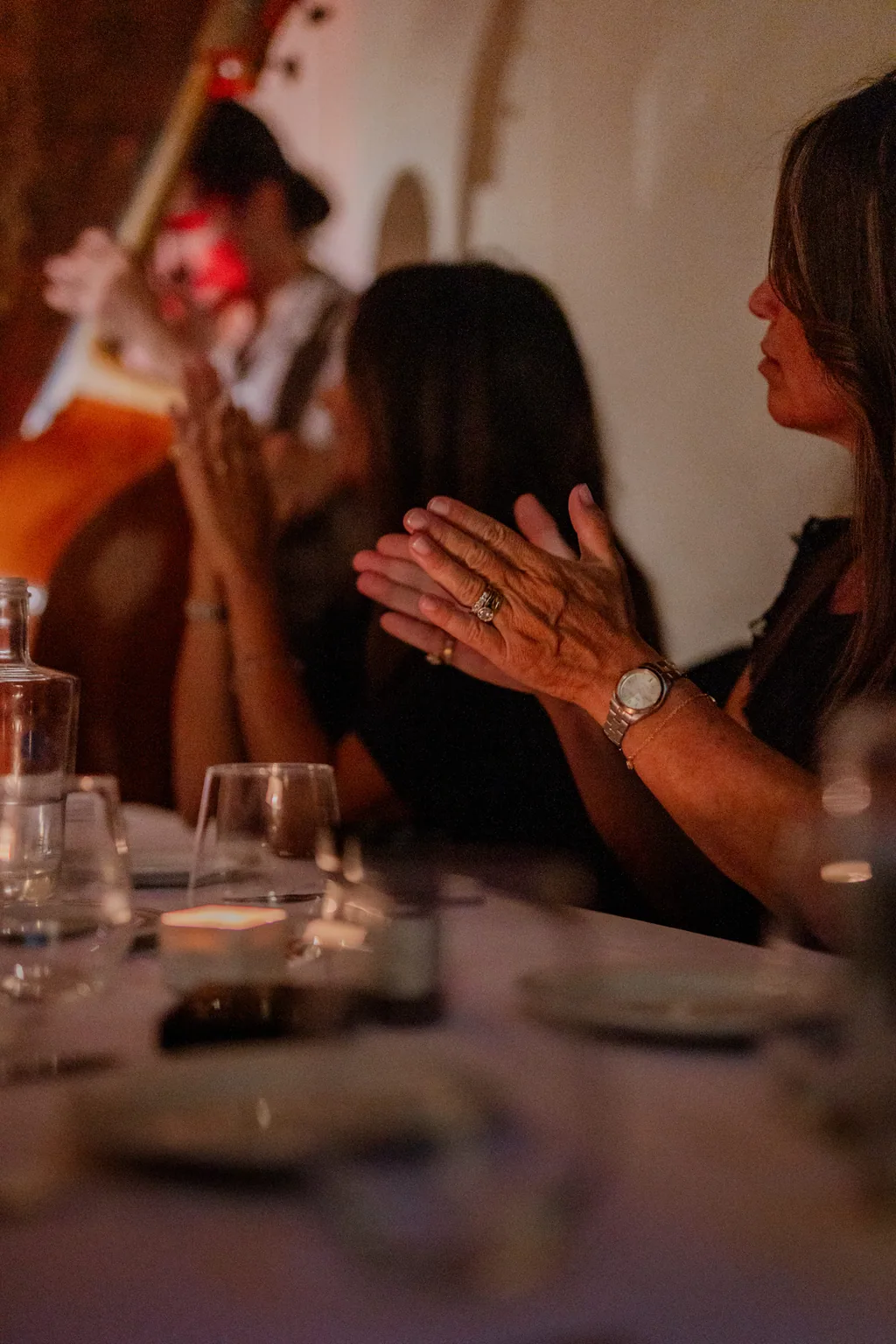
Each fado is heard only once: the same song, on the same night, never sounds the same twice. That is why the room stops when someone stands up to sing. The dishes wait; so do the conversations.
What an evening is like
The kitchen opens at 19:30. Fado starts at 20:30 and carries on until 01:00, in sets alternating with the courses of the menu. When the singers sing, the room falls silent; when they pause, the dishes arrive and conversation returns. And so on, until the night ends.
The Portuguese guitar weaves the ornamented melody that sets fado apart from any other music; the viola de fado lays down the chords; the double bass, the foundation. Somewhere in the night there is a guitarrada — the musicians alone, the instrument speaking without verses.
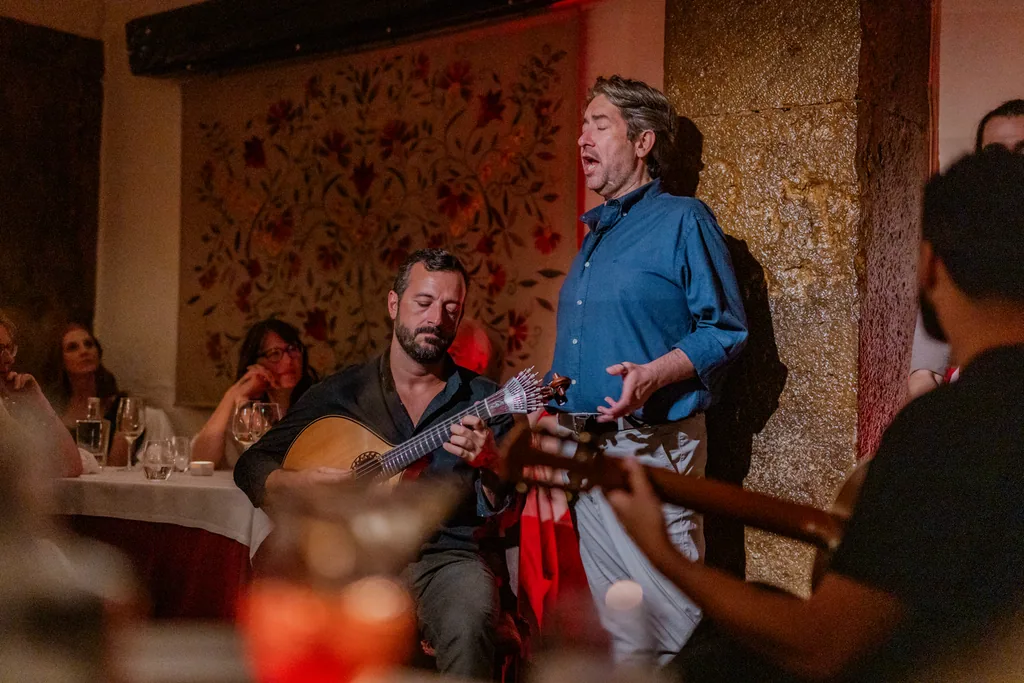
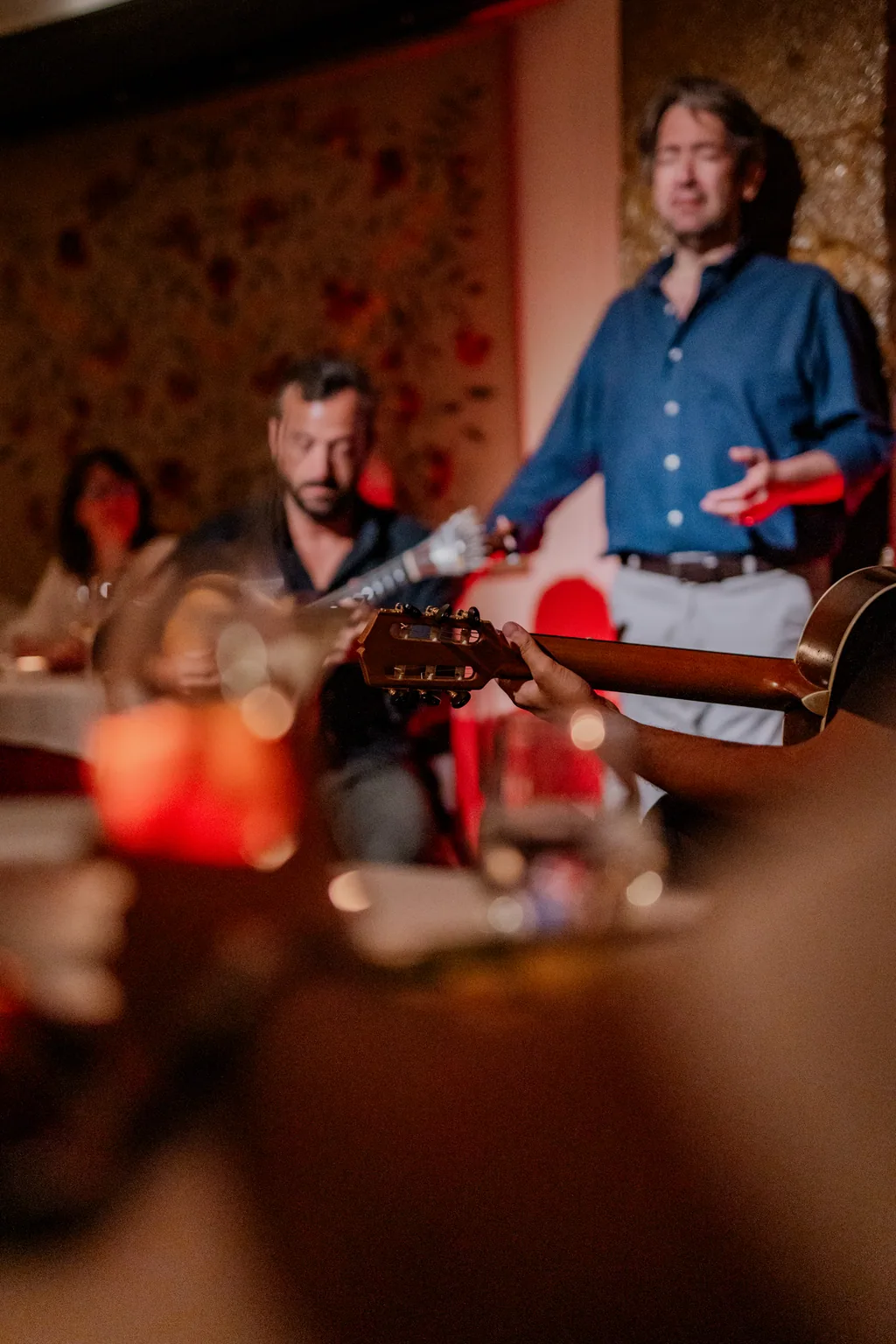
The musicians don’t step up anywhere.Every night, from 20:30
They play beside your table.
The house ensemble
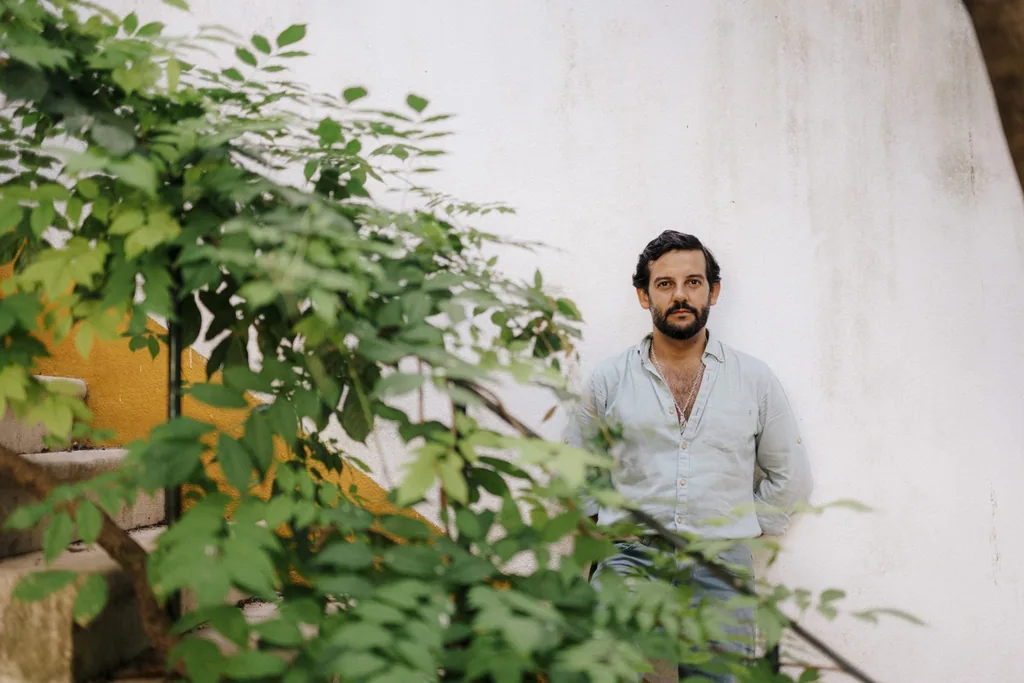
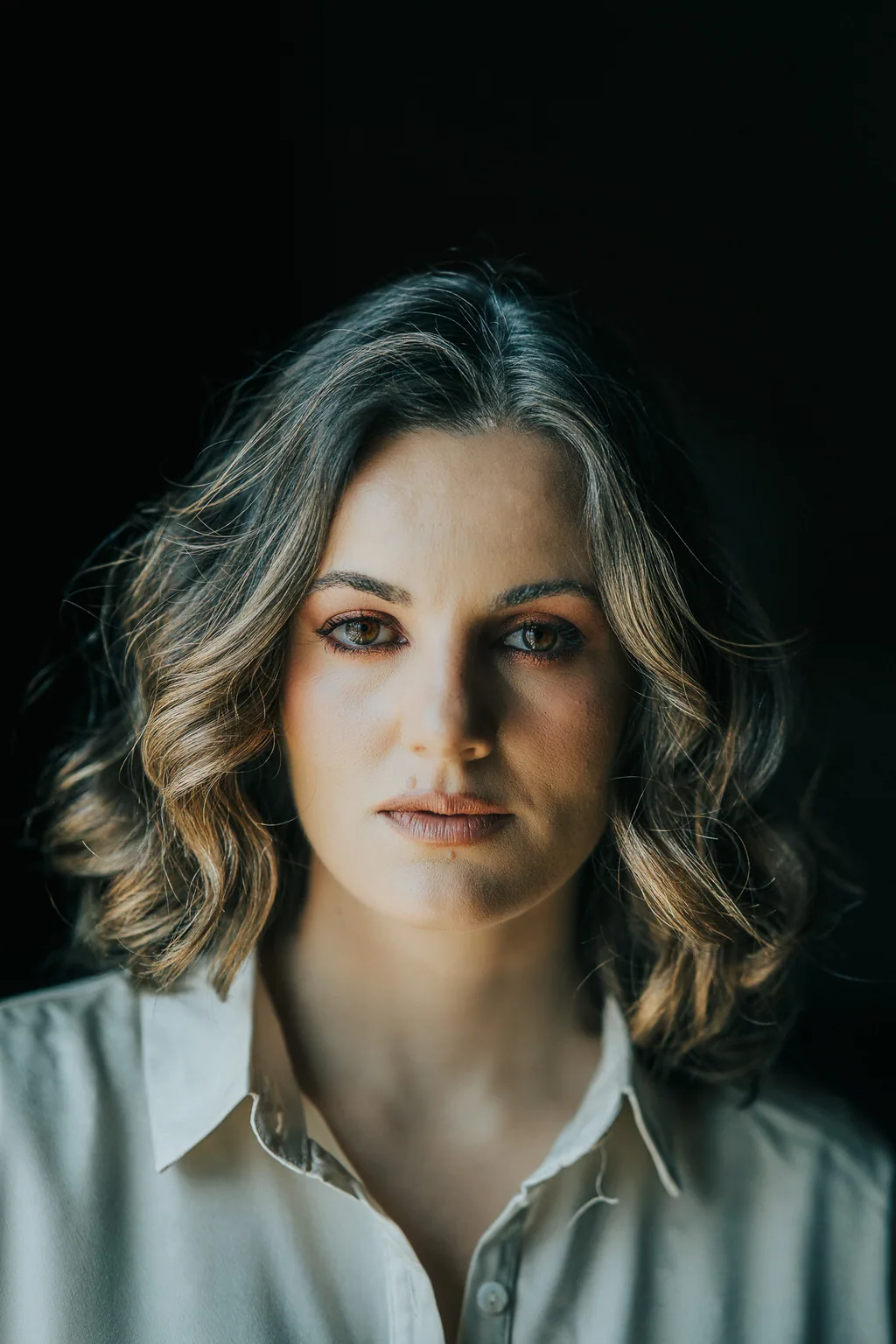
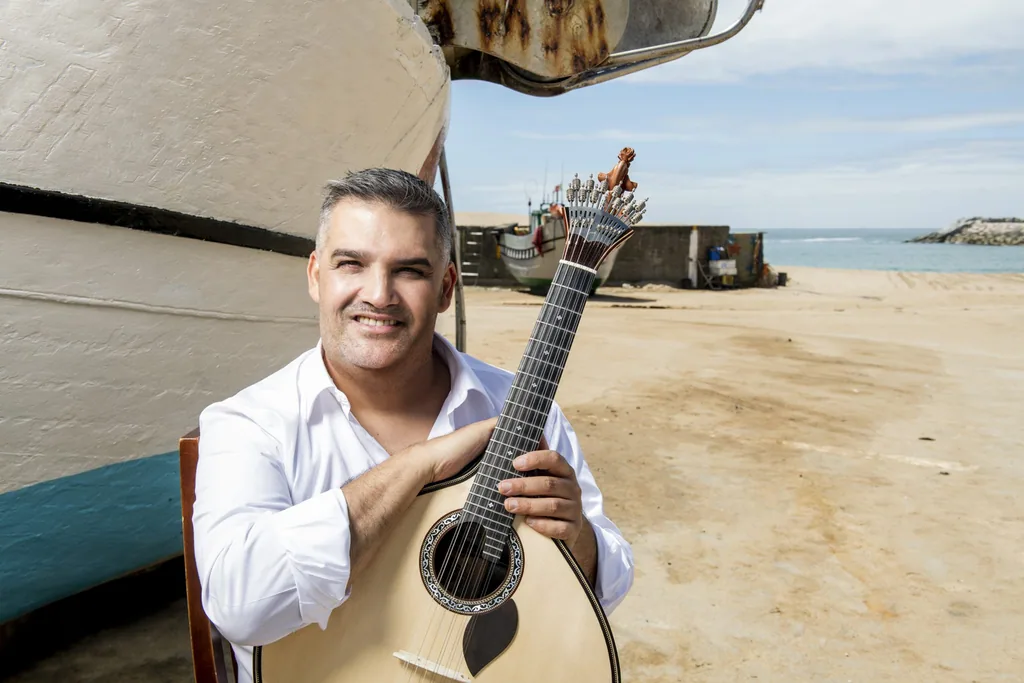
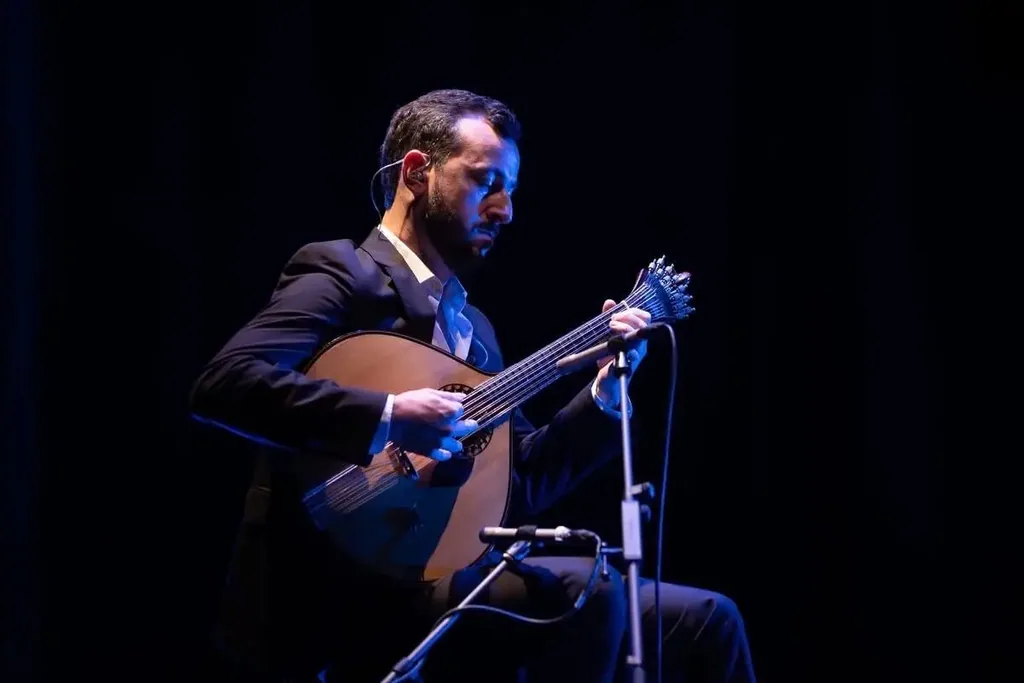
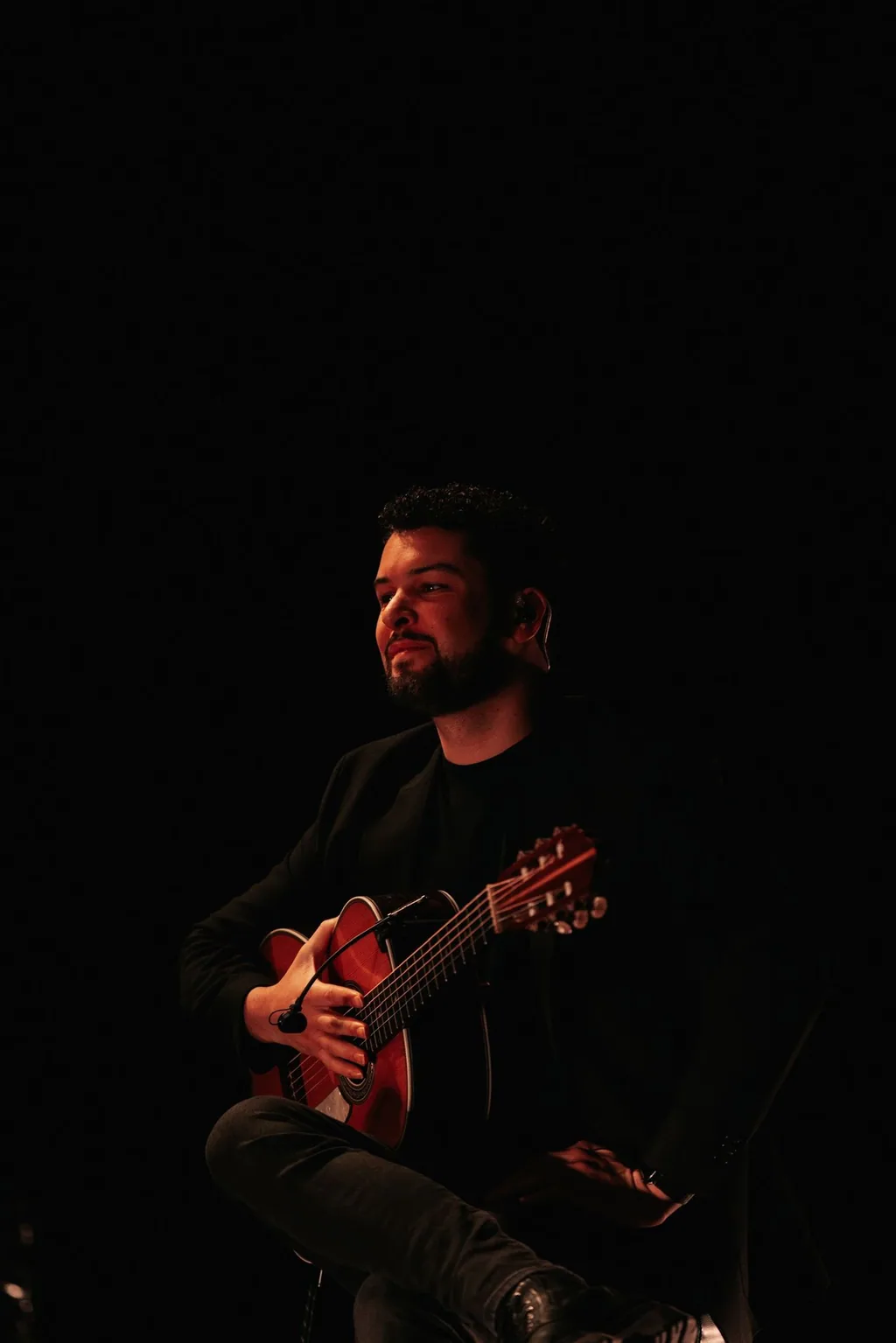
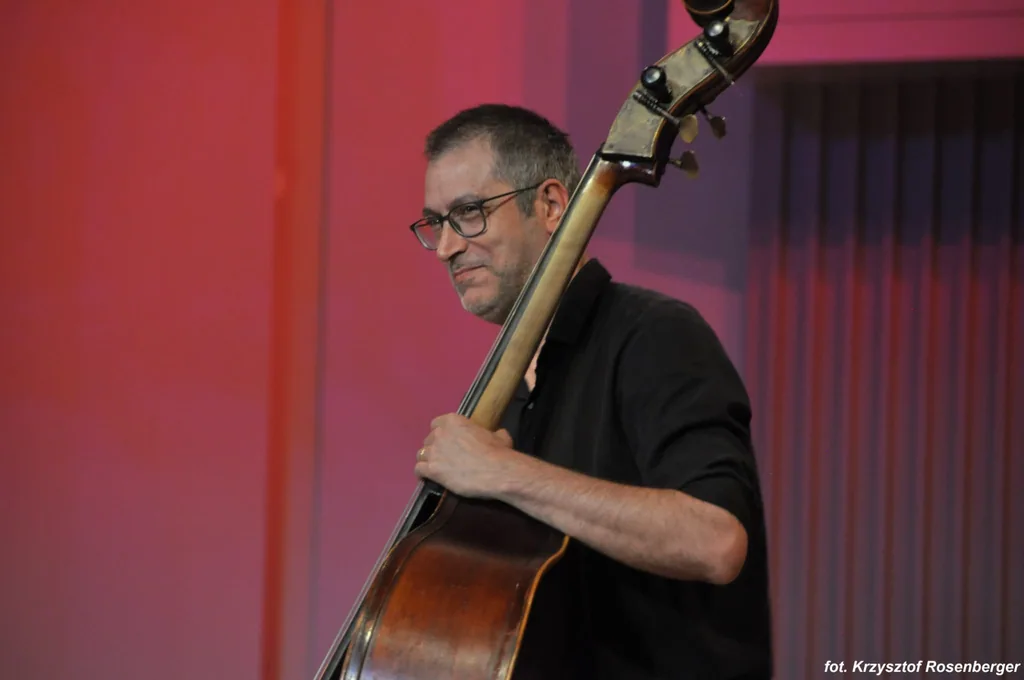
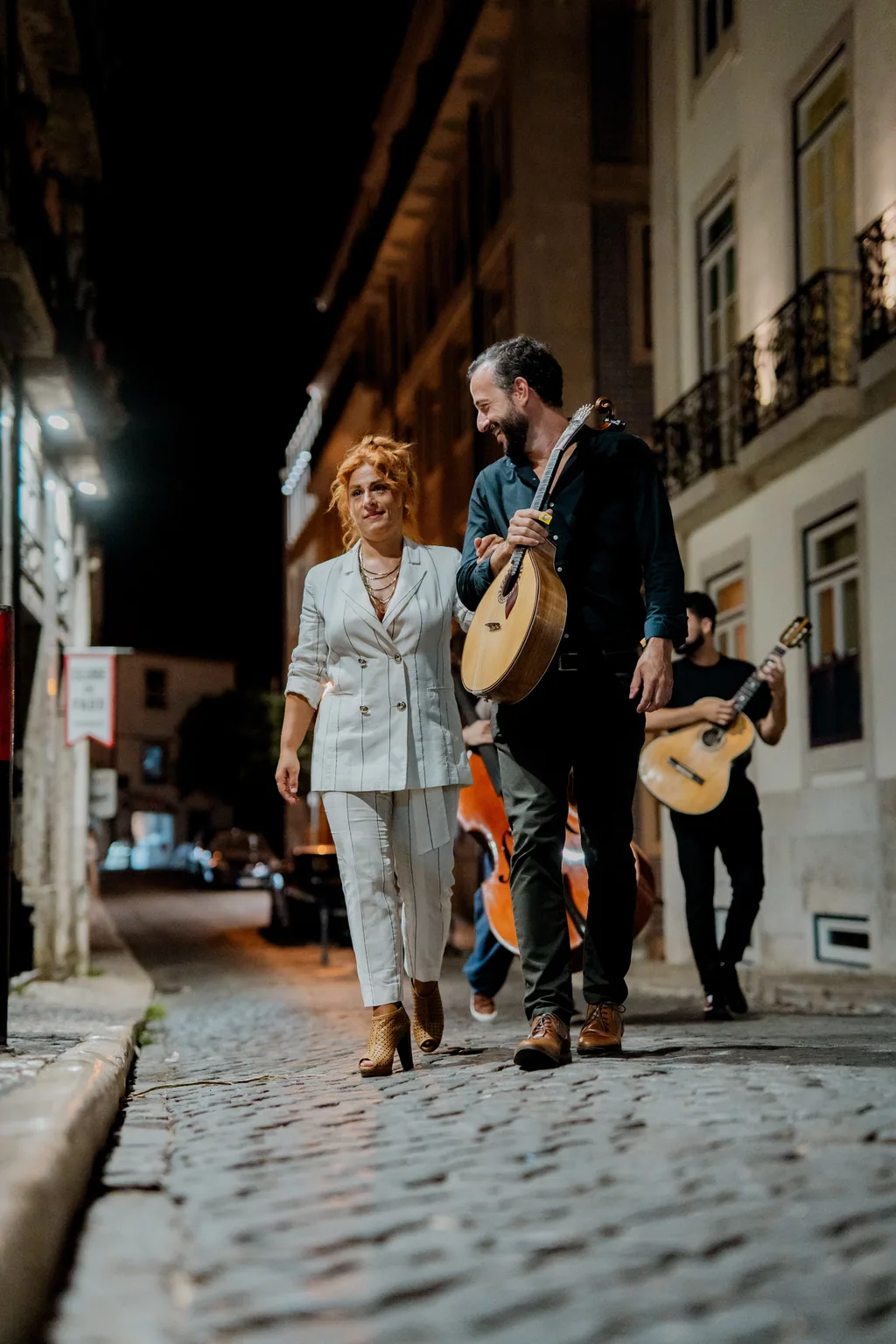
Voices, Portuguese guitars, violas de fado and double bass — the artists who make the Clube’s evenings. Several also sing and play at the group’s sister houses.







Book an evening at the Clube
Fado starts at 20:30. The kitchen opens at 19:30. The stone room is small for the demand — and Alfama’s evenings fill up in advance.