The arches
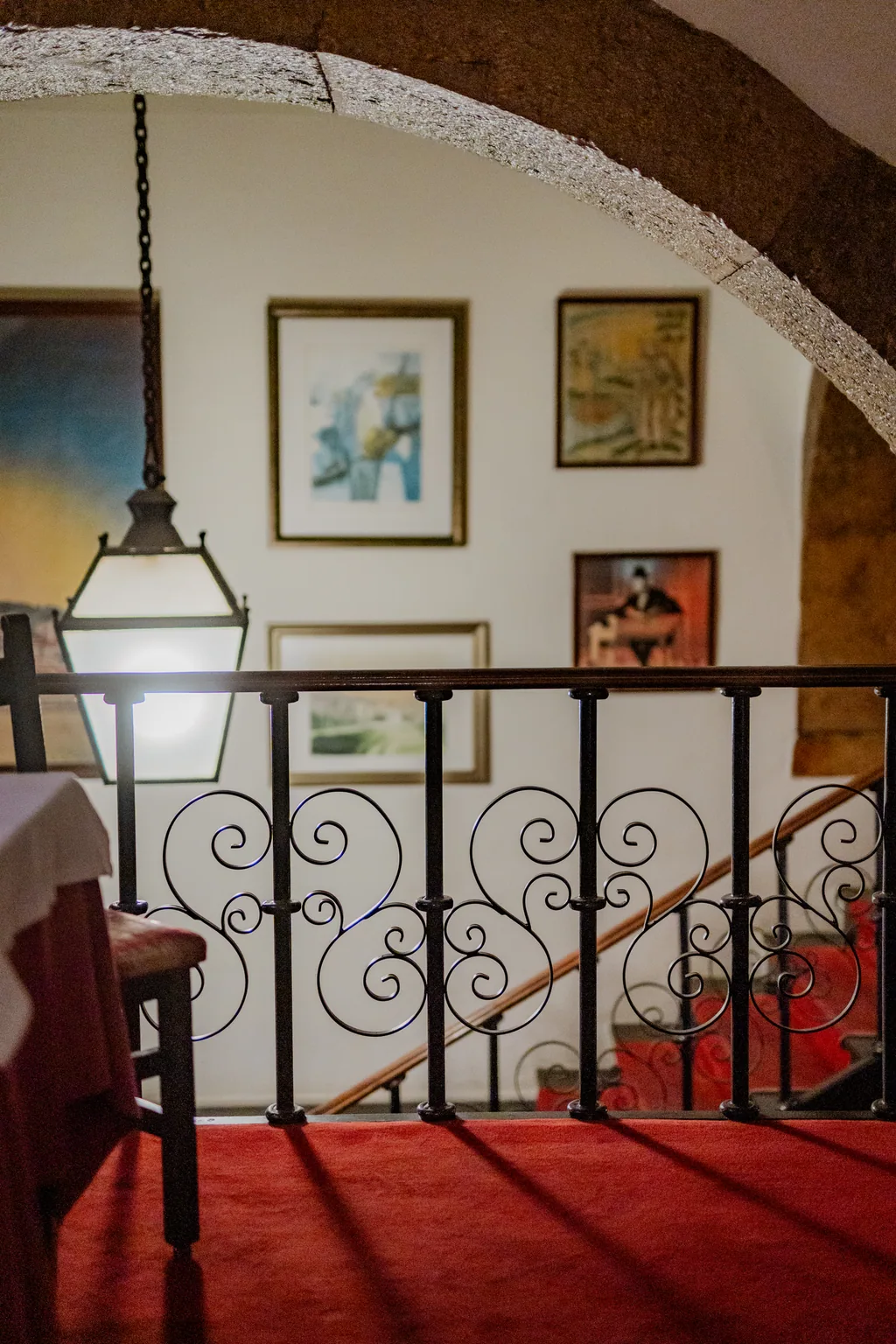
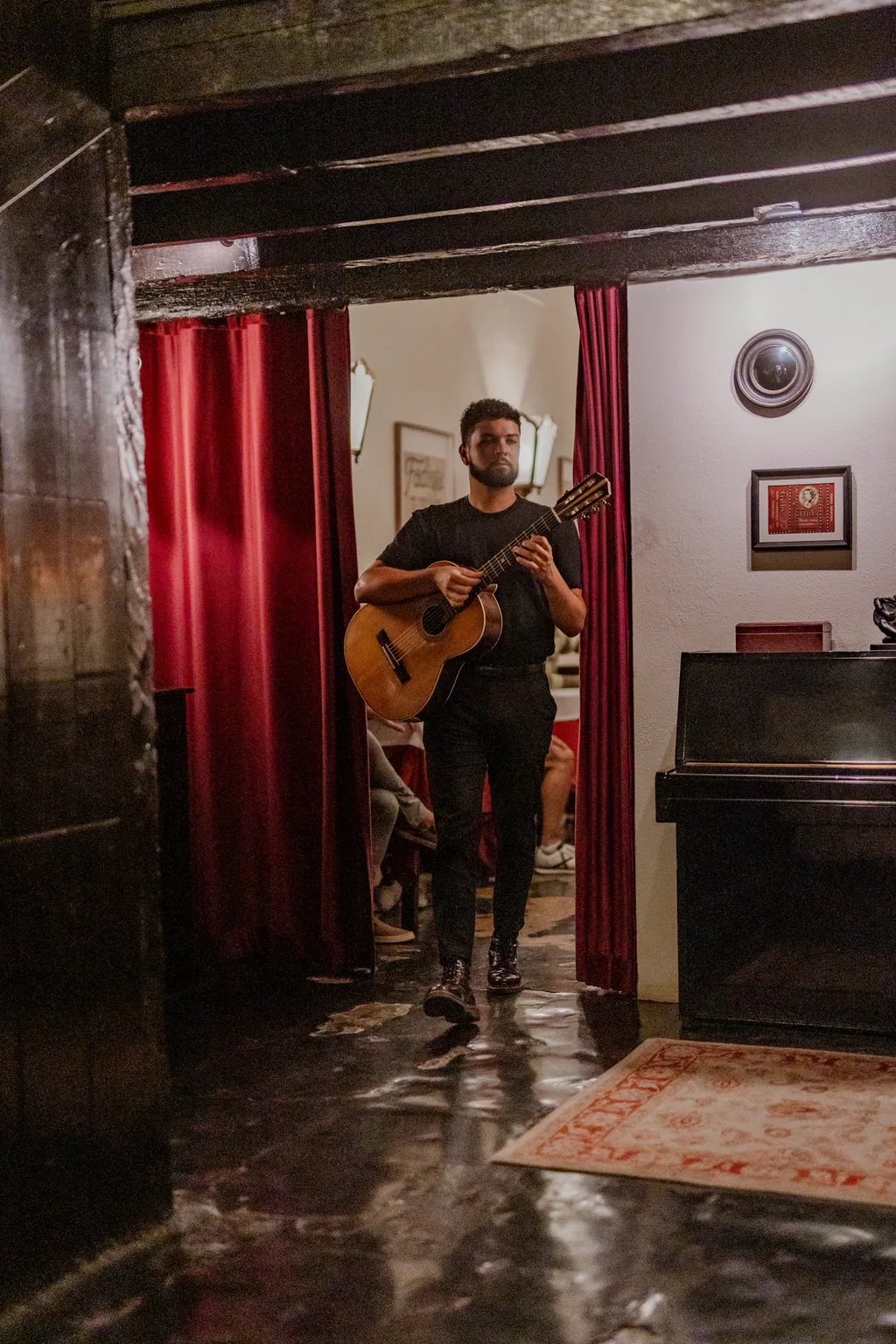
The room is divided by centuries-old stone arches that create nooks and hold the sound. The light is low, the scale intimate — you sing to a room that listens as one.
Fado house, in Alfama, by the Cathedral
Clube de Fado was opened in January 1995 by Mário Pacheco — a guitarist who accompanied Amália Rodrigues, Alfredo Marceneiro and Carlos do Carmo, and composed for Mariza, Camané and Mísia. He wanted a house that mirrored what fado is to those who play it: a place of gathering and of silence, where the music rules the night.
That origin is what sets the Clube apart: it was not born a restaurant that later added fado — it was born of fado, and dinner came to take its place around it. In 2006, Casa da Imprensa distinguished it with the Fado House Award.
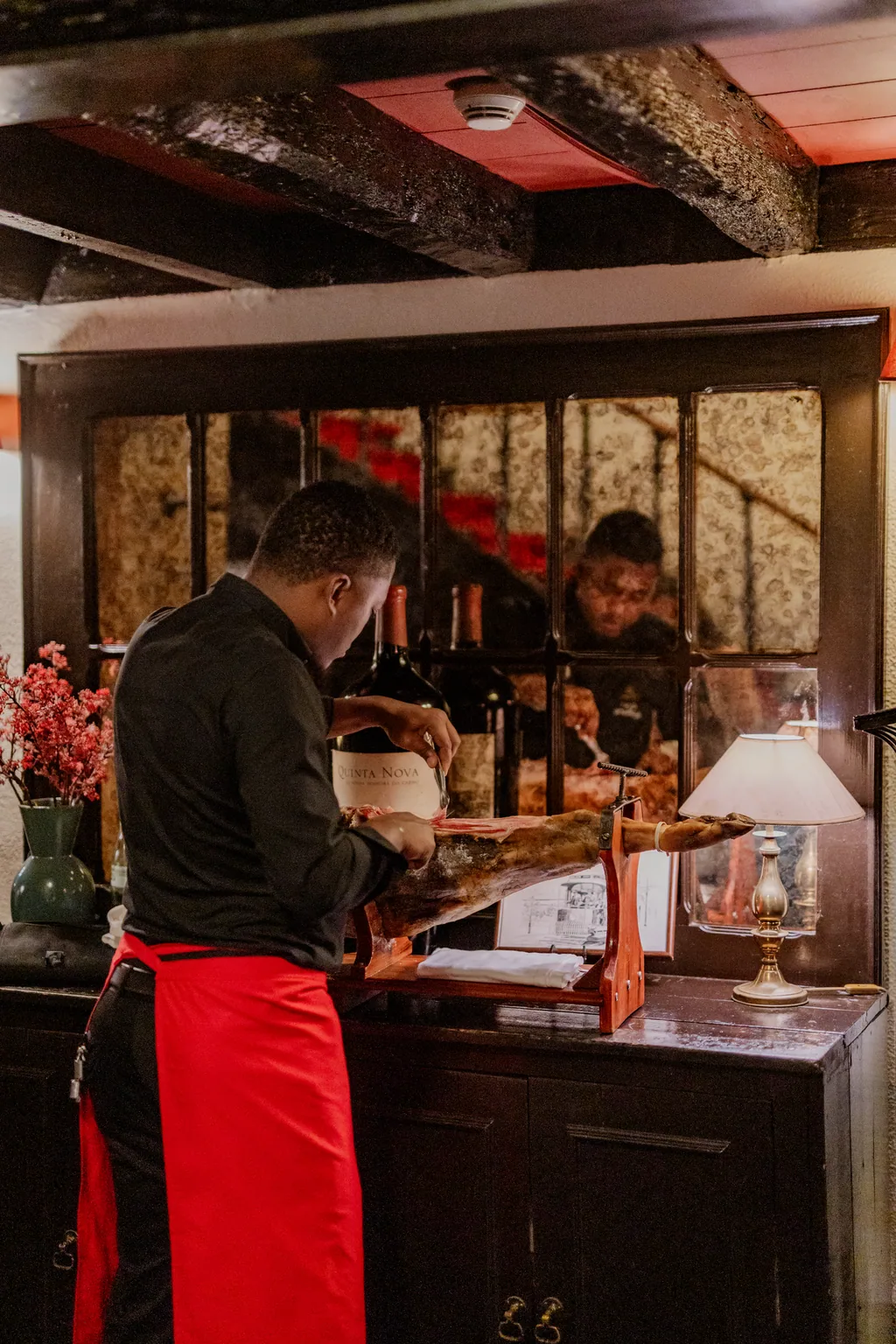
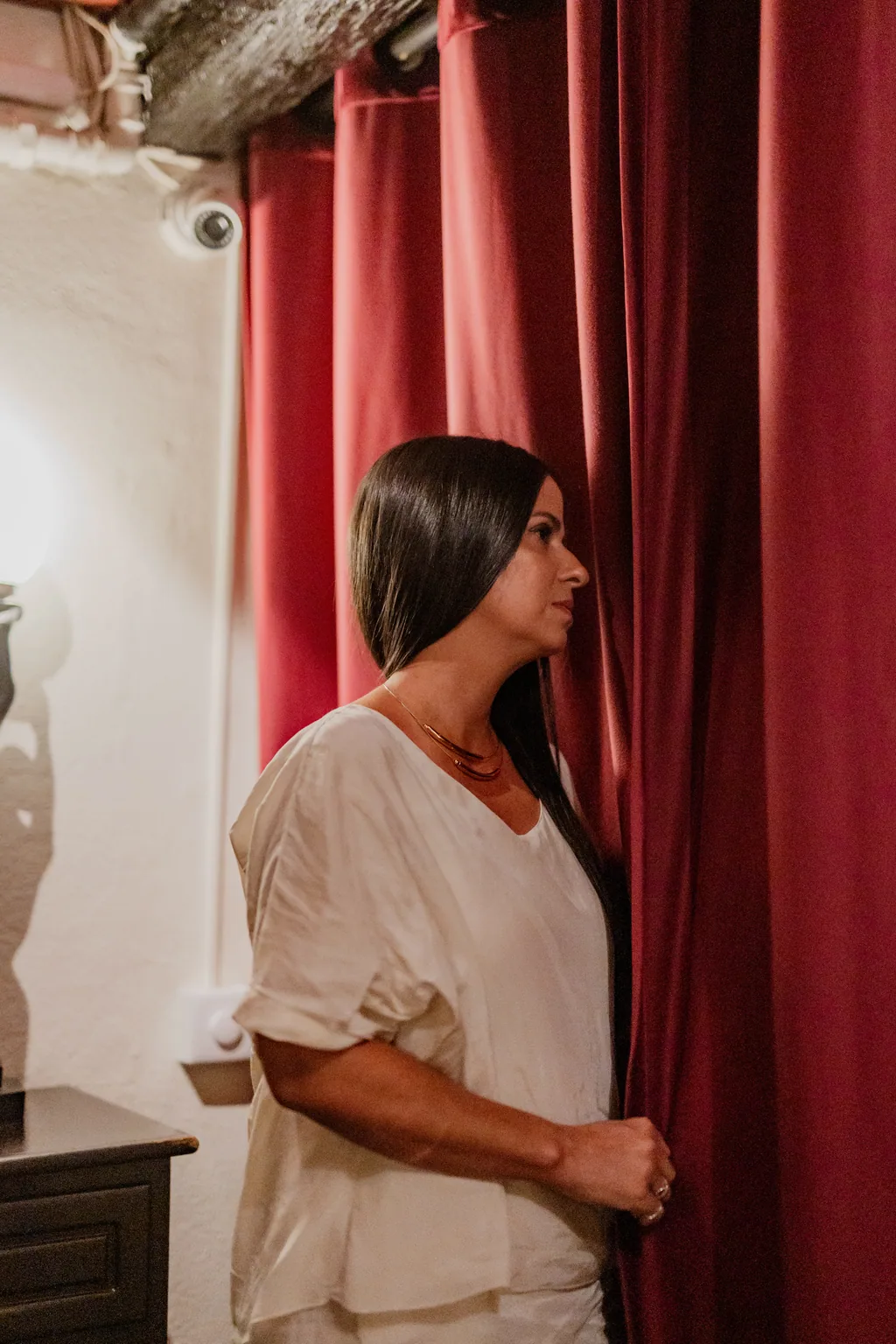
The house occupies part of a building over three hundred years old on Rua de São João da Praça — the street that wraps around Lisbon Cathedral, in the heart of Alfama. Inside, stone arches divide the room into nooks, velvet curtains hold the sound, and red-clothed tables wait for the first voice.
Alfama is the neighbourhood where fado was born, and this is one of the oldest streets in the city. To step into the Clube is to continue the street: the same stone, the same intimate scale, the same night.
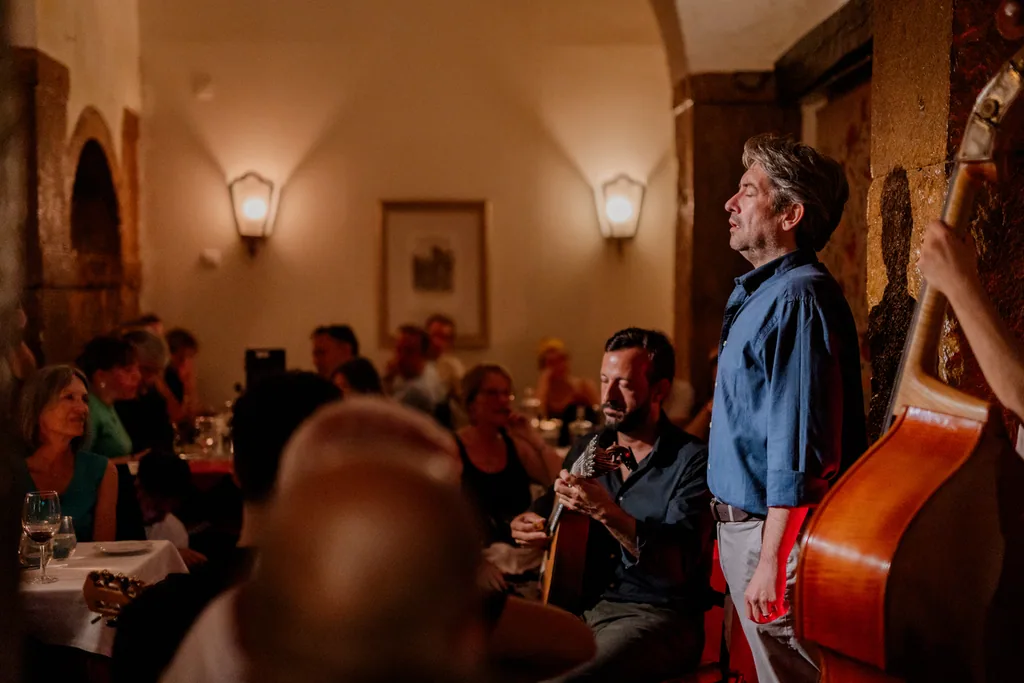
It is not a show with dinner served beside it — it is a whole evening, with fado at the centre. The sets alternate with the courses; when someone stands up to sing, service pauses and the room falls silent.
Those who come to listen stay silent during each fado. That is the rule of the house — and it is the only one.
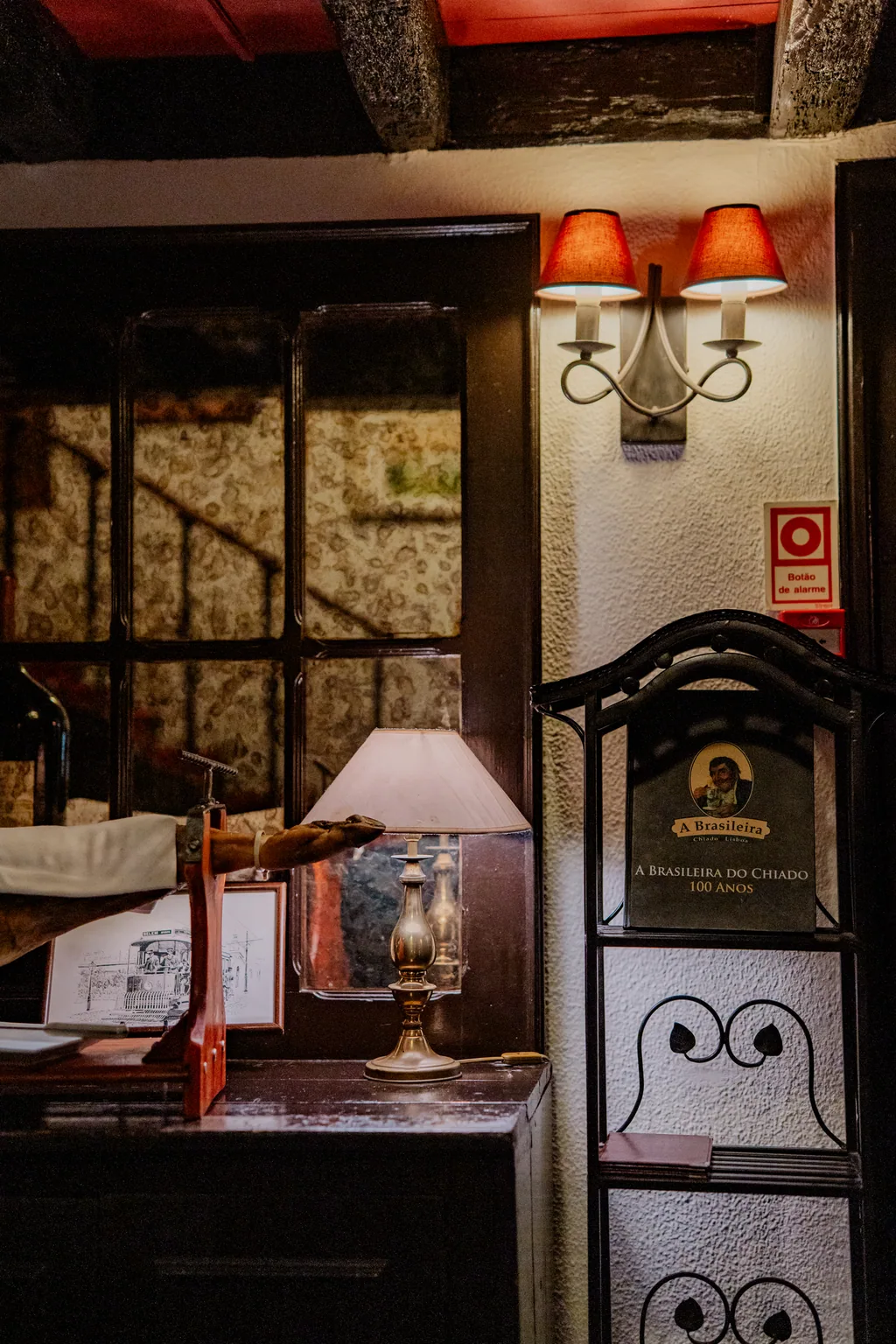
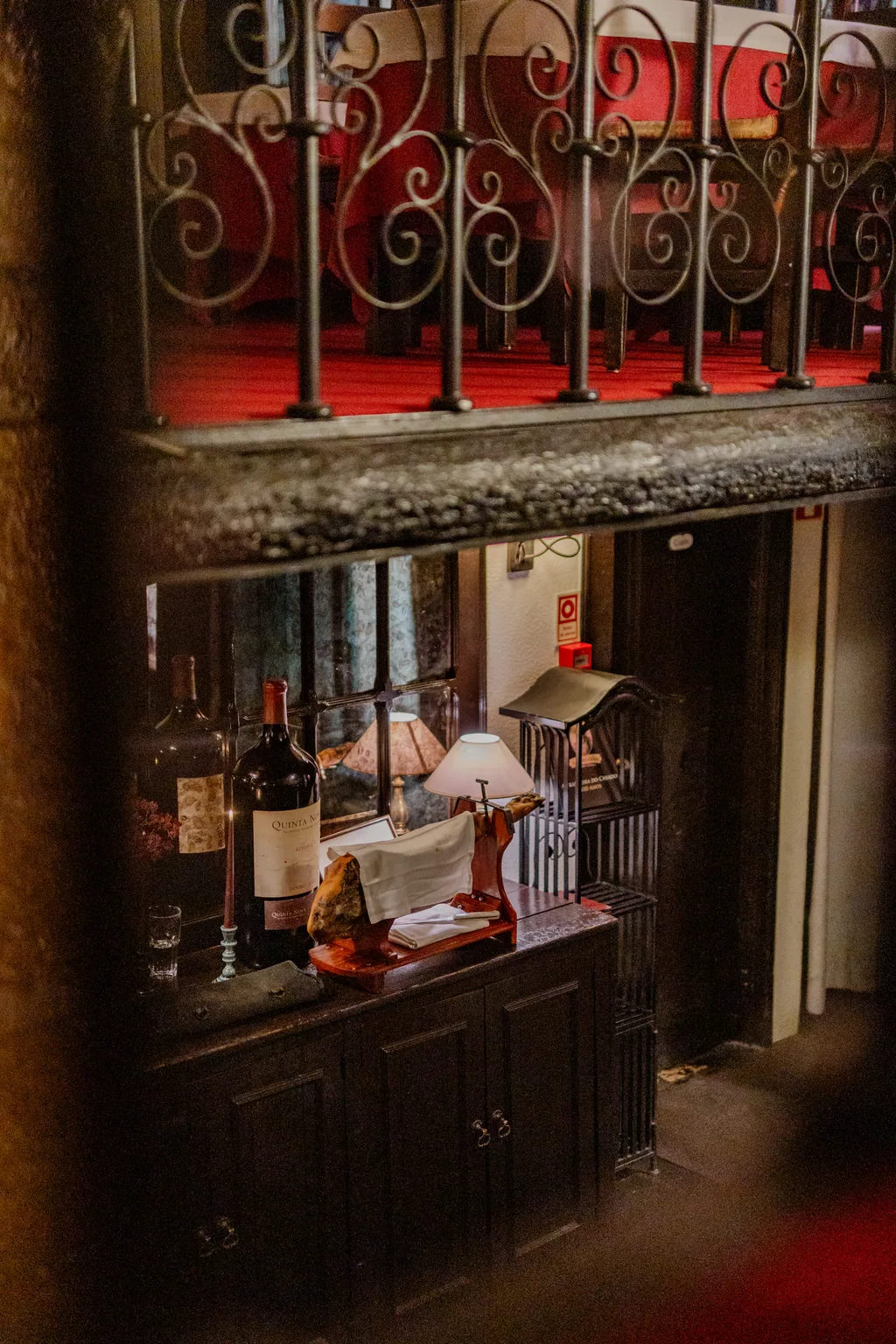
The house is over three hundred years old.Rua de São João da Praça, 94 · Alfama
The club opened in 1995.
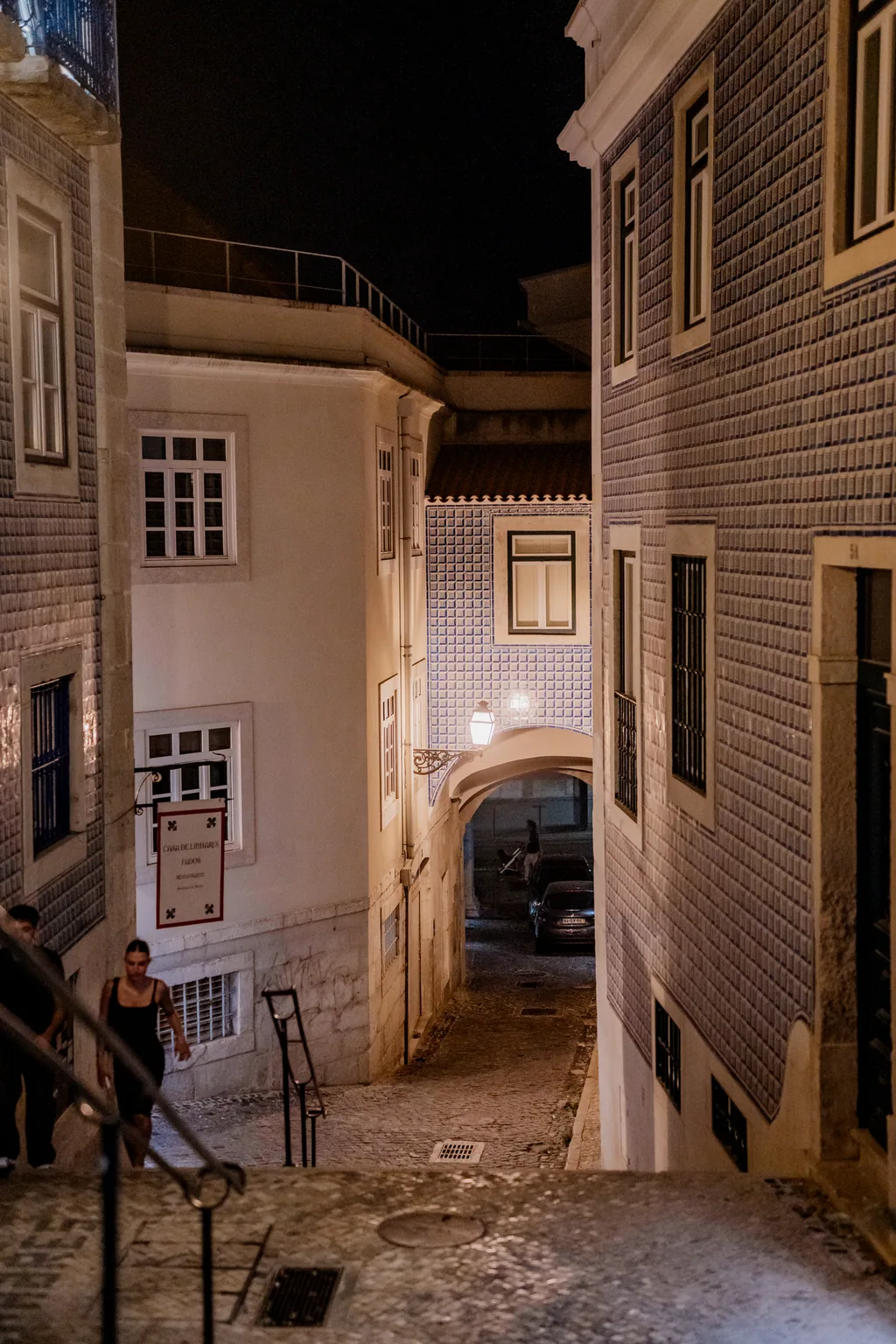
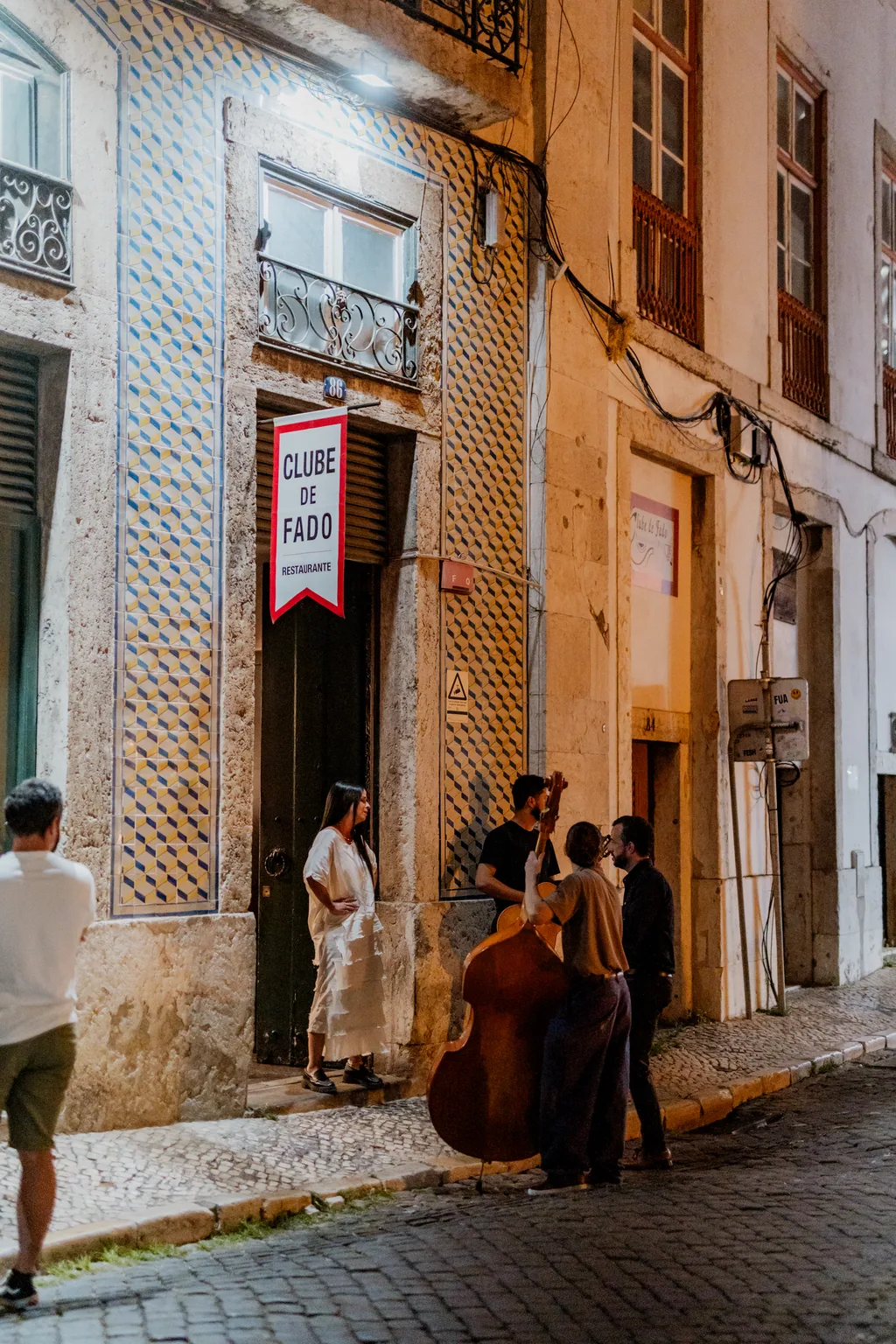
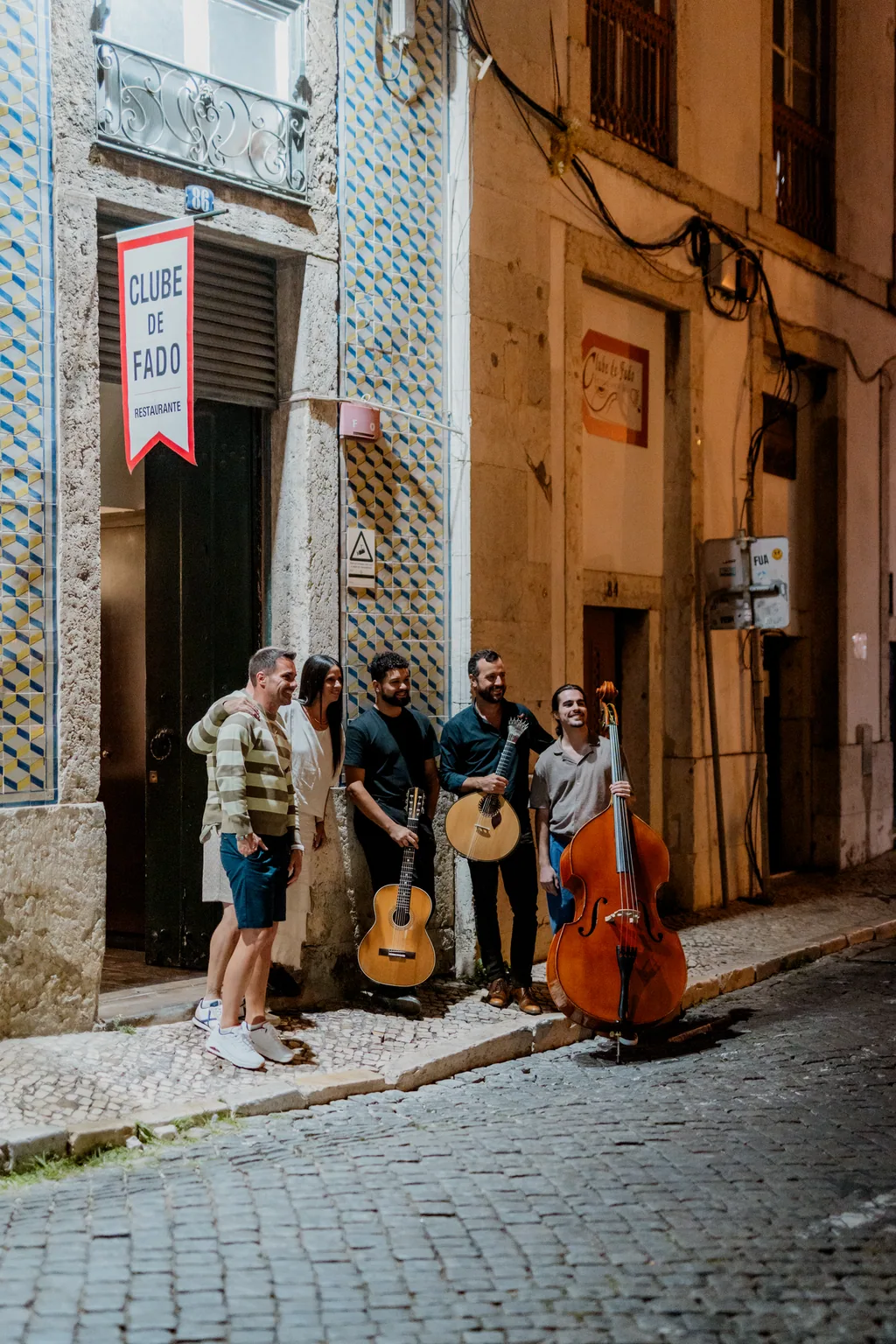


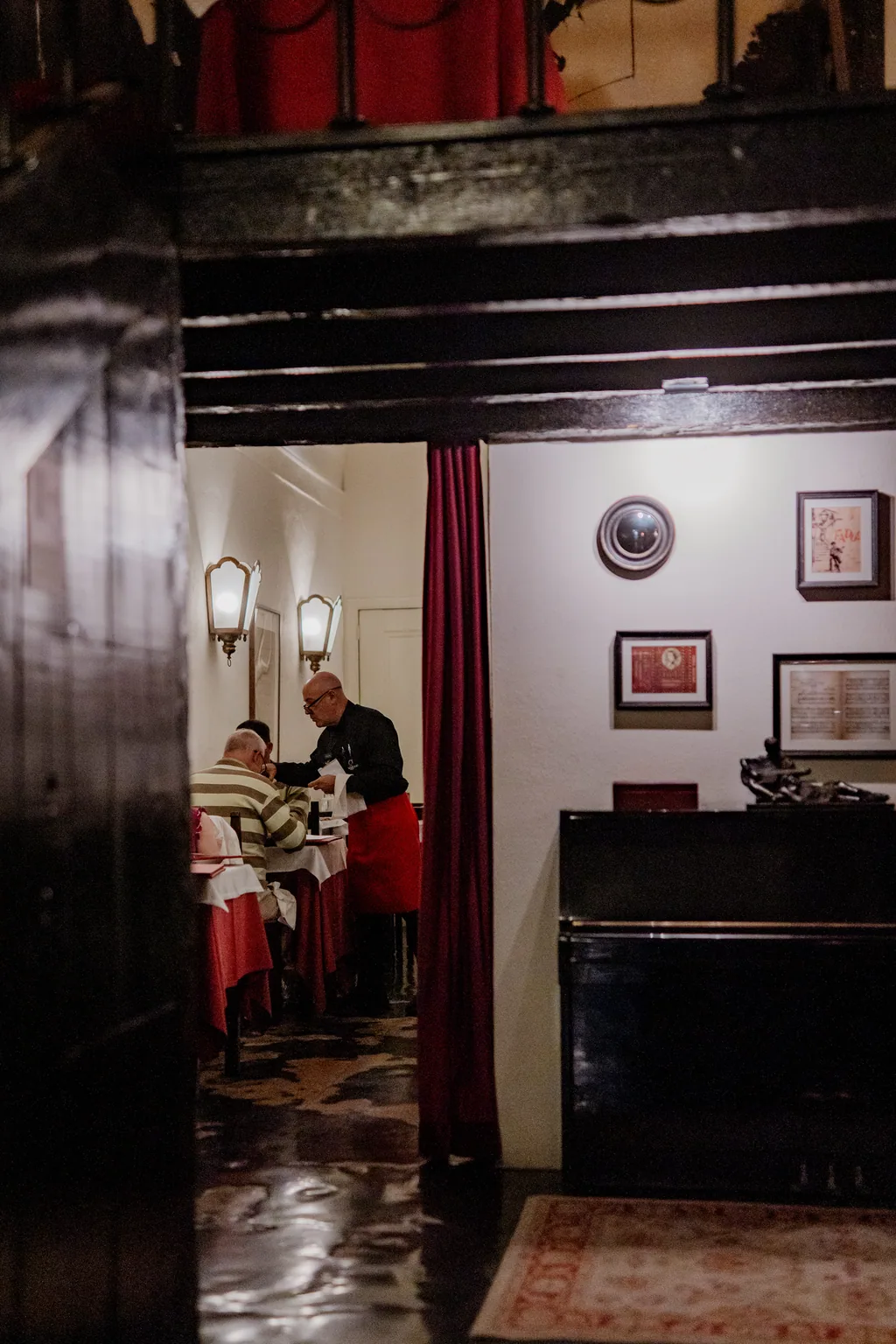
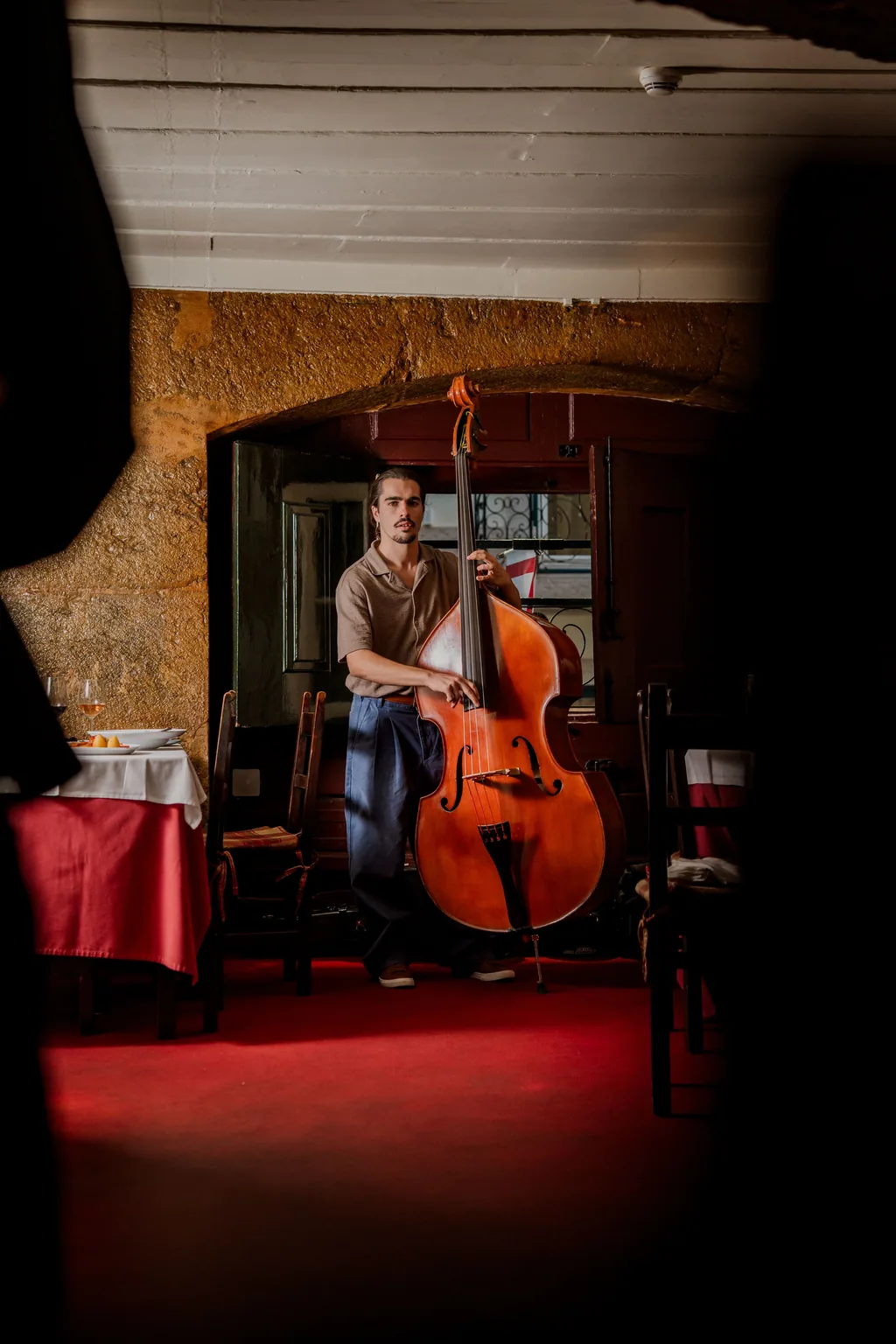
Three things make this house: the arches that shelter the room, the Alfama street the night arrives by, and the stage right by the tables where fado is sung.
The room is divided by centuries-old stone arches that create nooks and hold the sound. The light is low, the scale intimate — you sing to a room that listens as one.
Rua de São João da Praça wraps around the Cathedral and is one of Lisbon’s oldest streets. The musicians arrive along it, on foot, instruments on their backs — and sometimes the fado starts out there.
There is no raised stage, no gap between those who sing and those who listen. Fado happens among the tables, steps away from your dinner — as in the fado houses of old.
Fado starts at 20:30. The kitchen opens at 19:30. The stone room is small for the demand — and Alfama’s evenings fill up in advance.